



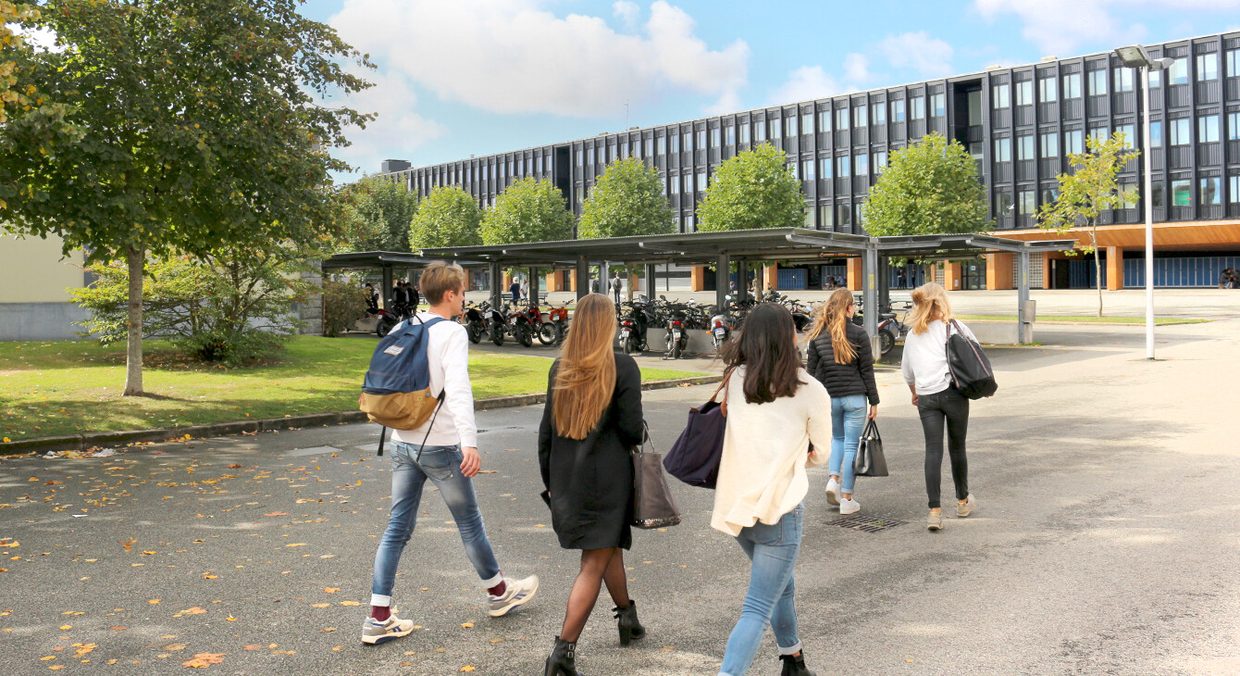
Schools and local authorities,
the school safety plan and the municipal exercise
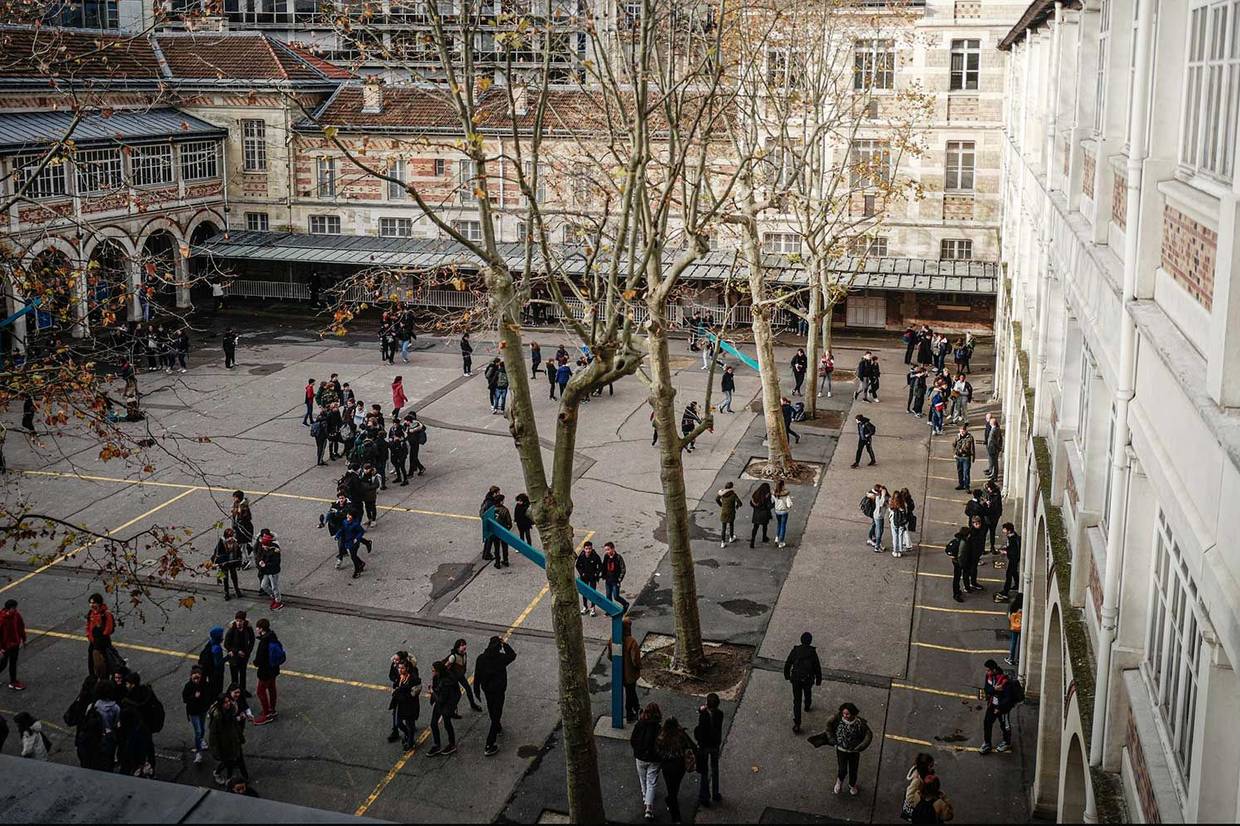
Your school safety plan (PPMS) is written and your exercises are held. We test them on a scenario your teams do not know, and we run the municipal exercise with the local authority.
We work
on both sides of the school gate.
Your school safety plan is written and your exercises are held. On the day the person in charge is absent, everything rests on others, and that is the day we prepare for. We work with the school and with the local authority, which approves and funds.
01The crisis directory, called line by line
See details
Your crisis directory goes to the local education authority at the start of every school year. Nothing requires anyone to check that each line still rings through to the right person, and that is what we do. We call at chosen times, replace switchboards with direct lines, name a deputy for each function, and you come away with a dated record.
02Sheltering and evacuation, clocked
See details
Your school shelters pupils in place, or evacuates them to the assembly point. We record the time of each, and it becomes the benchmark for the next session.
03Your safe zones, checked on site
See details
A safe zone is the group of rooms where a class stays sheltered. We walk through them with you, compare what each actually allows with what your plan states, and correct its sheet on the spot.
04The head's office without the network
See details
Your management room depends on the network for its equipment. We equip it so that it can keep track of the situation without it, and set each item to what the school, and then the local authority, can realistically keep going.
05Quick-reference sheets that a supply teacher can follow
See details
Each adult has their quick-reference sheet, the page that tells them where to stand and what to do in the first hour. A supply teacher who arrived the day before must be able to follow it. In session, the person who takes the lead is not always the one the plan names, and the plan comes away with the stand-in arrangement that works.
06Counting who is present
See details
After sheltering, you need to know who is there. With your teams, we work out how to tell a pupil absent for the day from one who was present in the morning and is now missing at roll call. The count is done once per group and goes up to a single point.
07The exercise, and the message to families
See details
Your two annual exercises are run as tabletop or live exercises. We facilitate them without surprising the pupils, as the circular requires, and you use them to try out the message sent to families while they wait.
08Approval by the municipality
See details
For a primary school, the local education authority writes the plan and the municipality or inter-municipal body approves it. If it does not reply within two months, approval is deemed given. We prepare that exchange on both sides, so that the mayor signs knowing what they are approving.
09The municipal exercise, and the premises after school
See details
Your local authority runs the exercise with us, and receives the written lessons-learned report. Its municipal safeguard plan has its own directory, which usually lacks head teachers' direct numbers. We bring the two together, so that a single call chain links the town hall and the school. It also applies after school, when the premises host after-school care, the canteen or an association, and people's safety becomes the responsibility of the municipality or of the activity's organiser.
10The nursery's safety protocol
See details
Since April 2025, every early-years setting draws up its safety protocol and sends it to the mayor and the prefect. We go over it with the person who runs the setting and their team, then test it on premises where some of the children cannot yet walk.
11The digital learning platform down
See details
The digital learning platform, pupil lists and phones can all go down at once. With you, we go over who notifies families and by what means, and the exercise is played out with the local authority. Your school stays in touch with families without its usual tools.
12The report, written and sent
See details
After each exercise, the report is sent to the local education authority and the local authority, by 1 April at the latest. We write it with you, action by action, each with its owner, its date and the evidence that it is closed.
13Keeping things operational from one school year to the next
See details
Your plan, your directory and your sheets follow the life of the school. At the start of each school year, teams change and premises evolve, and we review names, roles and assembly points with you. Your framework starts the school year up to date with the teams in place.
The deadlines always fall
on the same dates.
The circular of 8 June 2023 sets four annual deadlines, none of which depends on the size of the school. It requires at least two exercises, separate from fire evacuation drills.
We ask the head teacher and the municipality these questions, each separately.- Who opens the plan when the alert comes in, and who stands in if they are absent?
- How long do the children stay sheltered, and what do you tell them meanwhile?
- Who counts those present in each safe zone, and to whom does that count go?
- Who meets the parents who arrive at the gate, and with what words?
The single unified plan is expected to be in place everywhere before the September 2028 school year. Circular of 8 June 2023.
Five stages,
from the school and the municipality to the action plan.
Our exercises are run in  ®, our proprietary format.
The scenario's events arrive through every channel of a real crisis: email, phone, radio and someone walking into the room. The scenario branches in real time according to your decisions, and the set-up mobilises field teams, the crisis unit and the local authority at the same time. The exercise is prepared with your management, and no real message goes out to families, the education authority or the emergency services.
- 01Scoping: a meeting with your management. The objectives, the scope played, the levels involved, and written limits signed before starting.
- 02The trigger: the first event enters the room, a sound, an image, a call that will not wait. Your teams discover the situation as it reaches them.
- 03Rising pressure: the scenario branches according to your decisions, and demands pile up: families, the education authority, the press and requests from the prefecture.
- 04Decision and coordination: deciding out loud in front of the team, with what the crisis unit knows at that moment, and passing information between the safe zones, the crisis unit and the local authority.
- 05The debrief
 ®: the session is recorded on video and audio, and that material is analysed on the same grid from one session to the next. The prioritised action plan is agreed with your management.
A crisis unit that knows what to do from the first minute.
Your management, teachers and staff kept the incident log, counted those present in each safe zone and answered parents during the exercise.
- 01A crisis unit ready to go: each function has a holder and a deputy, and the deputy has already filled the role in an exercise.
- 02A plan that opens during the event: one quick-reference sheet per safe zone, one per function, readable by someone seeing it for the first time.
- 03Teachers and staff who have already been through the exercise: the incident log was kept and the count taken in each zone.
- 04Gaps closed: each one has an owner and a date, and the lessons-learned report goes out on time.
Has your plan been exercised this year?
The fourteen-question self-assessment positions your plan, free of charge and with no sign-up. The assessment then tells you where to start.
 ®