
The six types of risk we help businesses anticipate.
Crises spread from one domain to another. Plans, though, are often built risk by risk. We map what connects them, then we test that reading through our exercises.
The regulatory frameworkThree steps, before the decision.
Today's risks, and tomorrow's, are more hybrid, and they combine. Our work is to bring them back to a scale where an organization can decide.
Interdependencies
Each risk is tied to the activities it threatens and to the dependencies that spread it. The resulting map is what makes priorities visible.
Basin scale
Living areas, economic areas, risk basins: we work at the scale where the effects actually occur, the one shared by neighbouring sites and organizations.
The test of the exercise
The exercise puts that reading to the test. Decisions are made under time pressure, with the people who will make them on the day.
Six risks, and what connects them.
Geopolitical instability
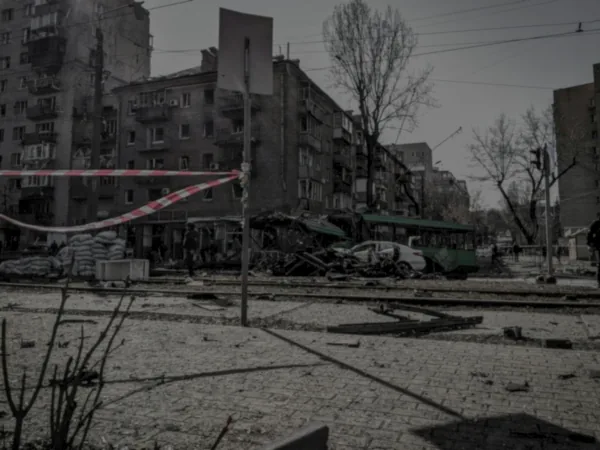
Armed conflicts, shifting alliances and strategic uncertainty are redrawing the balance of power, and the confrontation now reaches industrial sites, as far as sabotage. For an organization, that turns into concrete decisions: where to produce, with which suppliers, and how to protect its facilities.
Share of the hostile acts recorded against French companies - espionage, intrusion, cyberattack, sabotage - that target a subcontractor rather than a prime contractor, far better equipped to protect itself.
French National Assembly, report on economic warfare - July 2025Technological disruption
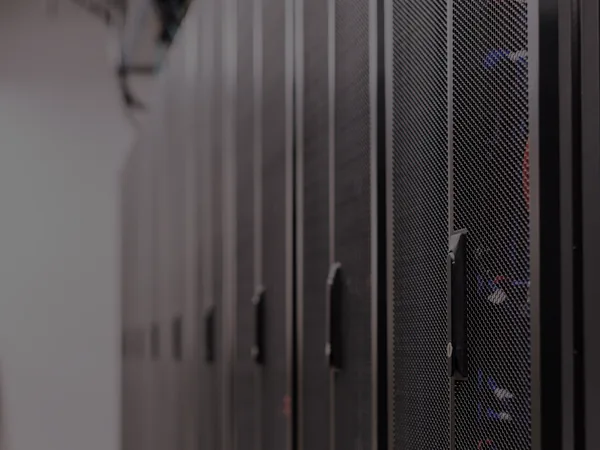
Cyberattacks are growing more sophisticated, and they target critical infrastructure as much as a company's intangible assets: patents, research, tender responses. Artificial intelligence is reshaping the threats and the means of answering them at the same pace.
Security incidents handled by France's cybersecurity agency in 2025, including 128 ransomware cases.
ANSSI - March 2026Economic destabilization
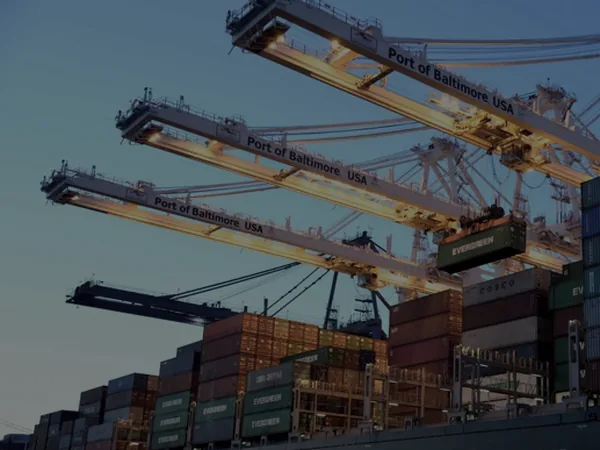
Financial crises, supply disruptions and market volatility weaken organizations. A single supplier failing is enough to break an entire chain, and an organization inherits the exposure of those who supply it.
Corporate insolvencies in France in 2025, close to 190 a day.
Banque de France - February 2026Emerging societal challenges
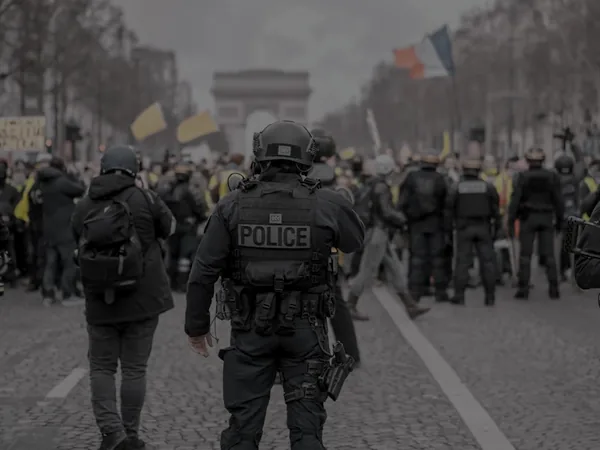
Disinformation, foreign interference, social unrest and terrorism are reshaping how we relate to the world. A documented rumour travels faster than a denial, and reputation is decided in the first few hours.
Information manipulation phenomena detected in the French digital space in 2024, 174 of them linked to foreign interference.
VIGINUM, 2024 activity reportClimate disruption
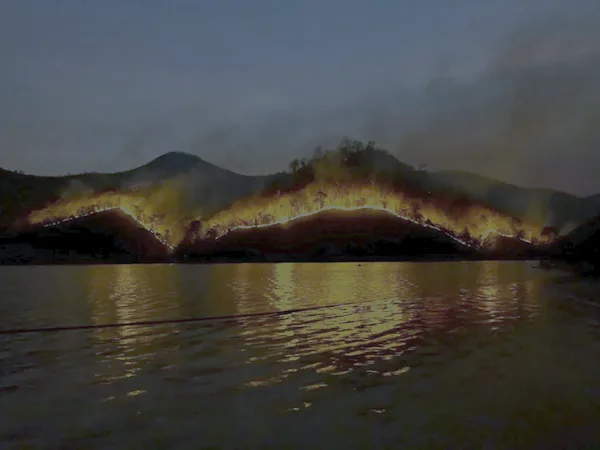
Natural disasters, resource scarcity and ecological change are striking more often and harder. A flooded site or a heatwave interrupts operations, and the frequency of these events makes plans built on past statistics obsolete.
Cost of natural events to French insurers in 2025, EUR 2.2bn of it from hail alone.
France Assureurs - March 2026Public health challenges
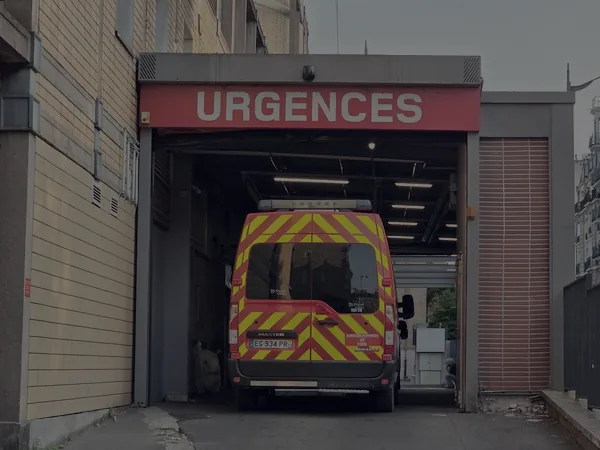
Health crises, pandemics and breaks in the care chain test organizations' continuity and their duty to protect their people.
Reports of drug shortages or shortage risks handled by France's medicines agency in 2025.
ANSM, 2025 activity report - July 2026What regulation already requires.
Three texts now shape resilience obligations for organizations. We build them into our diagnoses and our exercises.
NIS 2
It raises the level of cybersecurity required of organizations and their suppliers, across seventeen sectors. More than 25,000 French entities fall within its scope.
DORA
In force since January 2025 for the financial sector and its IT providers: risk management, incident reporting, resilience testing.
ISO 22301
The reference for business continuity management systems, updated in 2024 to bring in climate change.